搜索到
21
篇与
的结果
-
 Stream流式计算 Stream流式计算将计算交给流来操作package com.sw.stream; import java.util.Arrays; import java.util.List; /** * @Author suaxi * @Date 2021/2/16 10:33 * 有5个用户,进行筛选 * 1、ID为偶数 * 2、年龄大于23岁 * 3、用户名转换为大写 * 4、用户名倒序排列 * 5、只输出一个用户 */ public class StreamTest { public static void main(String[] args) { User user1 = new User(1, "a", 20); User user2 = new User(2, "b", 21); User user3 = new User(3, "c", 22); User user4 = new User(4, "d", 23); User user5 = new User(6, "e", 24); //转换为List集合 List<User> list = Arrays.asList(user1, user2, user3, user4, user5); list.stream() .filter(u ->{return u.getId()%2==0;}) .filter(u ->{return u.getAge()>23;}) .map(u ->{return u.getName().toUpperCase();}) .sorted((u1,u2) ->{return u2.compareTo(u1);}) .limit(1) .forEach(System.out::println); } }
 -
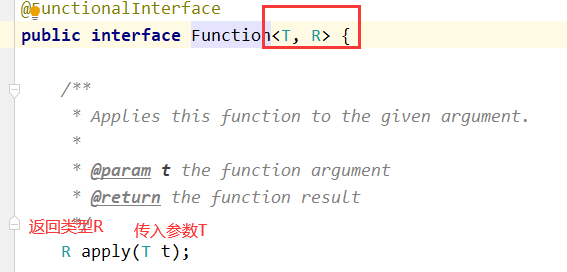
四大函数式接口 四大函数式接口函数式接口只有一个方法的接口4大函数式接口:consumer,funtion,predicate,supplierFunction函数式接口package com.sw.function; import java.util.function.Function; /** * @Author suaxi * @Date 2021/2/15 22:00 * Function函数式接口 */ public class Test01 { public static void main(String[] args) { // Function<String, String> function = new Function<String, String>() { // @Override // public String apply(String s) { // return s; // } // }; //lambda表达式简化 Function<String, String> function = (s) ->{ return s; }; System.out.println(function.apply("函数式接口测试")); } } Predicate断定型接口package com.sw.function; import java.util.function.Predicate; /** * @Author suaxi * @Date 2021/2/15 22:09 * Predicate断定型接口,返回值为boolean类型 */ public class PredicateTest { public static void main(String[] args) { // Predicate<String> predicate = new Predicate<String>() { // @Override // public boolean test(String s) { // return s.isEmpty(); // } // }; Predicate<String> predicate = (str) ->{ return str.isEmpty(); }; System.out.println(predicate.test("abc")); } } Consummer消费型接口package com.sw.function; import java.util.function.Consumer; /** * @Author suaxi * @Date 2021/2/15 22:17 * Consummer消费型接口,只有输入参数,没有返回值 */ public class ConsumerTest { public static void main(String[] args) { // Consumer<String> consumer = new Consumer<String>() { // @Override // public void accept(String s) { // System.out.println(s); // } // }; Consumer<String> consumer = (str) ->{ System.out.println(str); return; }; consumer.accept("消费型接口测试"); } } Supplier供给型接口package com.sw.function; import java.util.function.Supplier; /** * @Author suaxi * @Date 2021/2/15 22:25 * Supplier 供给型接口 没有输入参数,只有返回值 */ public class SupplierTest { public static void main(String[] args) { // Supplier<String> supplier = new Supplier<String>() { // @Override // public String get() { // return "你好,谢谢"; // } // }; Supplier<String> supplier = () -> { return "你好,谢谢"; }; System.out.println(supplier.get()); } }
-
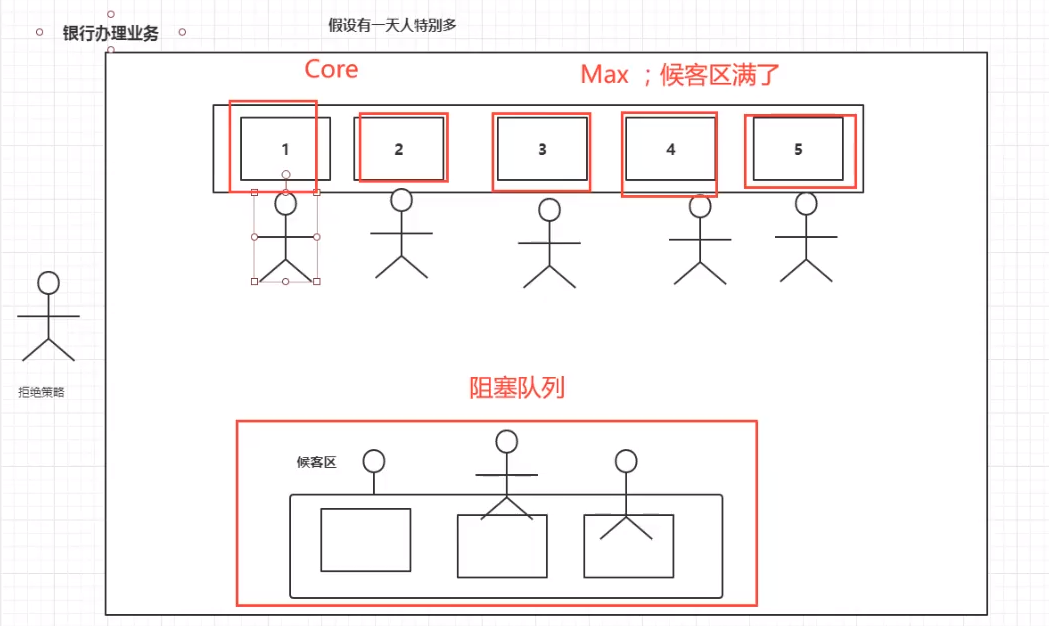
线程池 线程池线程池:三大方法、7大参数、4种拒绝策略池化技术事先准备好一些资源,要用的时候从池子中取,用完之后还回去优点:降低资源的消耗提高响应速度方便管理三大方法package com.sw.pool; import java.util.concurrent.ExecutorService; import java.util.concurrent.Executors; /** * @Author suaxi * @Date 2021/2/14 21:23 */ public class PoolTest { public static void main(String[] args) { //ExecutorService pool = Executors.newSingleThreadExecutor(); //单个线程 //ExecutorService pool = Executors.newFixedThreadPool(10); //创建一个固定大小的线程池 ExecutorService pool = Executors.newCachedThreadPool(); //线程池大小可弹性伸缩 try { for (int i = 0; i < 50; i++) { pool.execute(() -> { System.out.println(Thread.currentThread().getName() + "--->Pool Test"); }); } } catch (Exception e) { e.printStackTrace(); } finally { //线程池用完,程序结束,关闭线程池 pool.shutdown(); } } } 七大参数 public ThreadPoolExecutor(int corePoolSize, //核心线程池大小 int maximumPoolSize, //最大线程池大小 long keepAliveTime, //超时后多长时间没人操作就关闭 TimeUnit unit, //超时单位 BlockingQueue<Runnable> workQueue, //阻塞队列 ThreadFactory threadFactory, //线程工厂,用于创建线程 RejectedExecutionHandler handler) { //拒绝策略 if (corePoolSize < 0 || maximumPoolSize <= 0 || maximumPoolSize < corePoolSize || keepAliveTime < 0) throw new IllegalArgumentException(); if (workQueue == null || threadFactory == null || handler == null) throw new NullPointerException(); this.acc = System.getSecurityManager() == null ? null : AccessController.getContext(); this.corePoolSize = corePoolSize; this.maximumPoolSize = maximumPoolSize; this.workQueue = workQueue; this.keepAliveTime = unit.toNanos(keepAliveTime); this.threadFactory = threadFactory; this.handler = handler; }图片来源:狂神说Java手动创建一个线程池package com.sw.pool; import java.util.concurrent.*; /** * @Author suaxi * @Date 2021/2/14 21:23 * 4种拒绝策略: * AbortPolicy() 线程池满了,还有人进来,不处理这个人的请求,同时抛出异常 * CallerRunsPolicy() 哪里来的请求,回到哪里去(请求对应的主方法) * DiscardPolicy() 队列满了,丢掉后来的请求,不抛出异常 * DiscardOldestPolicy() 队列满了,尝试去和最早进行服务的窗口竞争,看那里的服务是否快要结束了,结束就进去提出请求,这种策略也不抛出异常 */ public class ThreadPoolExecutorTest { public static void main(String[] args) { //自定义线程池 ExecutorService pool = new ThreadPoolExecutor( 2, 5, 3, TimeUnit.SECONDS, new LinkedBlockingDeque<>(3), Executors.defaultThreadFactory(), new ThreadPoolExecutor.DiscardOldestPolicy()); try { for (int i = 0; i < 50; i++) { pool.execute(() -> { System.out.println(Thread.currentThread().getName() + "--->Pool Test"); }); } } catch (Exception e) { e.printStackTrace(); } finally { //线程池用完,程序结束,关闭线程池 pool.shutdown(); } } } 4种拒绝策略AbortPolicy() 线程池满了,还有人进来,不处理这个人的请求,同时抛出异常CallerRunsPolicy() 哪里来的请求,回到哪里去(请求对应的主方法)DiscardPolicy() 队列满了,丢掉后来的请求,不抛出异常DiscardOldestPolicy() 队列满了,尝试去和最早进行服务的窗口竞争,看那里的服务是否快要结束了,结束就进去提出请求,这种策略也不抛出异常小结1、线程池不允许使用Executor创建(不安全),而是通过ThreadPoolExecutor这样的方式2、如何定义线程池最大的大小?(1) CPU密集型根据cpu核数来设定Runtime.getRuntime().availableProcessors();(2) IO密集型判断程序中十分耗IO的线程,一般设置为其两倍的大小
-
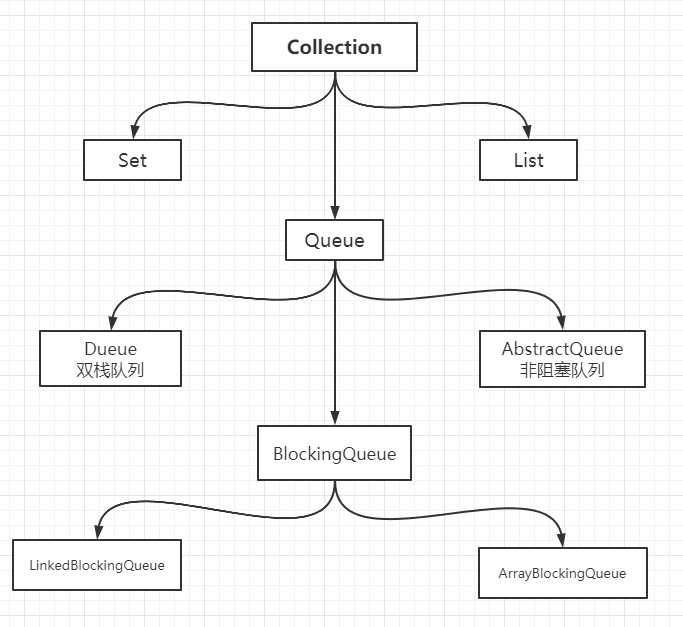
阻塞队列 阻塞队列写:如果队列满了,就必须阻塞等待取:如果队列是空的,必须阻塞等待生产阻塞队列的四组API 抛出异常不抛异常,有返回值等待阻塞等待超时添加addofferputoffer(,,)移除removepolltakepoll(,)检测队首元素elementpeek--测试Demo:package com.sw.blockingQueue; import java.util.concurrent.ArrayBlockingQueue; import java.util.concurrent.TimeUnit; /** * @Author suaxi * @Date 2021/2/14 19:57 * 阻塞队列 */ public class BlockingQueueTest { public static void main(String[] args) throws InterruptedException { test04(); } //1.抛出异常 public static void test01(){ //队列初始大小为3 ArrayBlockingQueue<Object> blockingQueue = new ArrayBlockingQueue<>(3); System.out.println(blockingQueue.add("A")); System.out.println(blockingQueue.add("B")); System.out.println(blockingQueue.add("C")); //java.lang.IllegalStateException: Queue full 队列已满 //System.out.println(blockingQueue.add("D")); System.out.println(blockingQueue.element()); //检测队首元素 System.out.println("-----分割线-----"); System.out.println(blockingQueue.remove()); System.out.println(blockingQueue.remove()); System.out.println(blockingQueue.remove()); //java.util.NoSuchElementException 没有目标元素 System.out.println(blockingQueue.remove()); } //2.不抛出异常,有返回值 public static void test02(){ //队列初始大小为3 ArrayBlockingQueue<Object> blockingQueue = new ArrayBlockingQueue<>(3); System.out.println(blockingQueue.offer("A")); System.out.println(blockingQueue.offer("B")); System.out.println(blockingQueue.offer("C")); System.out.println(blockingQueue.offer("D")); //false System.out.println(blockingQueue.peek()); System.out.println("-----分割线-----"); System.out.println(blockingQueue.poll()); System.out.println(blockingQueue.poll()); System.out.println(blockingQueue.poll()); System.out.println(blockingQueue.poll()); //null } //3.等待,阻塞(一直阻塞) public static void test03() throws InterruptedException { //队列初始大小为3 ArrayBlockingQueue<Object> blockingQueue = new ArrayBlockingQueue<>(3); blockingQueue.put("A"); blockingQueue.put("B"); blockingQueue.put("C"); //blockingQueue.put("D"); //位置不够了,会一直阻塞 System.out.println("-----分割线-----"); System.out.println(blockingQueue.take()); System.out.println(blockingQueue.take()); System.out.println(blockingQueue.take()); System.out.println(blockingQueue.take()); //没有这个元素,会一直阻塞 } //4.等待,阻塞(等待超时) public static void test04() throws InterruptedException { //队列初始大小为3 ArrayBlockingQueue<Object> blockingQueue = new ArrayBlockingQueue<>(3); System.out.println(blockingQueue.offer("A")); System.out.println(blockingQueue.offer("B")); System.out.println(blockingQueue.offer("C")); System.out.println(blockingQueue.offer("D",2, TimeUnit.SECONDS)); //等待超过2秒退出 System.out.println(blockingQueue.peek()); System.out.println("-----分割线-----"); System.out.println(blockingQueue.poll()); System.out.println(blockingQueue.poll()); System.out.println(blockingQueue.poll()); System.out.println(blockingQueue.poll(2,TimeUnit.SECONDS)); //等待超过2秒退出 } } SynchronousQueue 同步队列没有容量,put一个元素之后,必须先take取出来,才能再put进去值package com.sw.blockingQueue; import java.util.concurrent.BlockingQueue; import java.util.concurrent.SynchronousQueue; import java.util.concurrent.TimeUnit; /** * @Author suaxi * @Date 2021/2/14 20:58 * 同步队列 */ public class SynchronousQueueTest { public static void main(String[] args) { //没有初始容量,put之后必须进行take,才能再进行put操作 BlockingQueue<String> synchronousQueue = new SynchronousQueue<>(); //put new Thread(() -> { try { System.out.println(Thread.currentThread().getName() + "进行put01操作"); synchronousQueue.put("Hello"); System.out.println(Thread.currentThread().getName() + "进行put02操作"); synchronousQueue.put("nihao"); System.out.println(Thread.currentThread().getName() + "进行put03操作"); synchronousQueue.put("xiexie"); } catch (InterruptedException e) { e.printStackTrace(); } }, "A").start(); //take new Thread(() -> { try { TimeUnit.SECONDS.sleep(3); System.out.println(Thread.currentThread().getName() + "--->" + synchronousQueue.take()); TimeUnit.SECONDS.sleep(3); System.out.println(Thread.currentThread().getName() + "--->" + synchronousQueue.take()); TimeUnit.SECONDS.sleep(3); System.out.println(Thread.currentThread().getName() + "--->" + synchronousQueue.take()); } catch (InterruptedException e) { e.printStackTrace(); } }, "B").start(); /* 输出结果: A进行put01操作 B--->Hello A进行put02操作 B--->nihao A进行put03操作 B--->xiexie */ } }
-
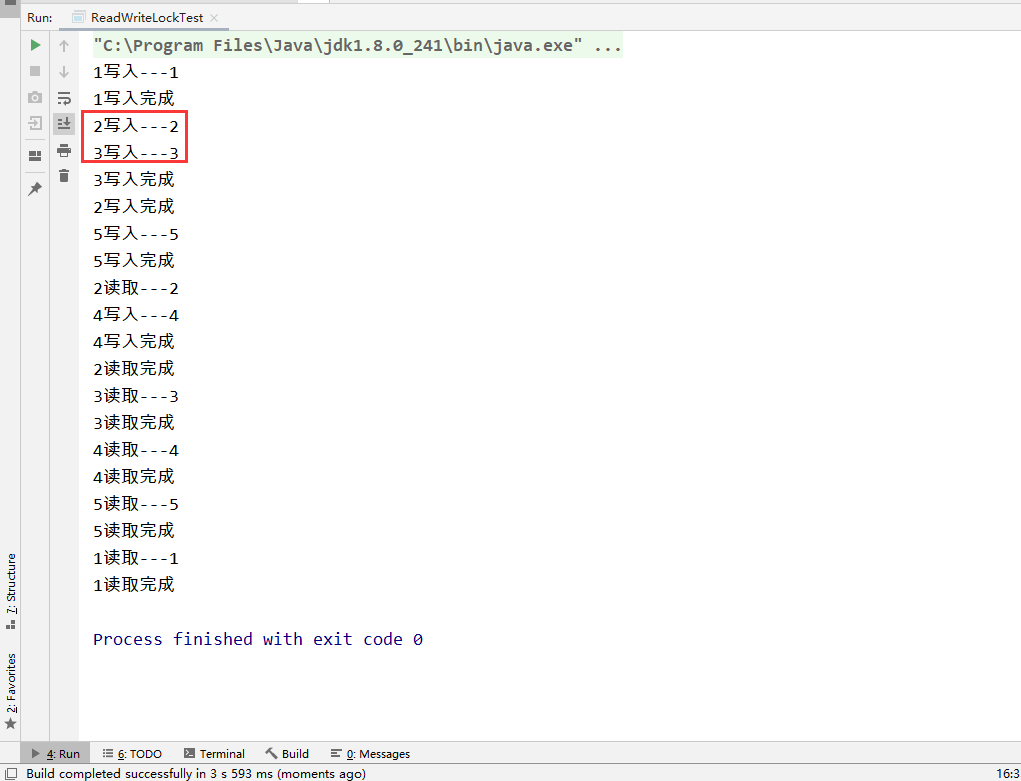
ReadWriteLock读写锁 读写锁ReadWriteLock读写锁,一个用于只读操作,一个用于写入package com.sw.readWriteLock; import java.util.HashMap; import java.util.Map; import java.util.concurrent.locks.ReadWriteLock; import java.util.concurrent.locks.ReentrantReadWriteLock; /** * @Author suaxi * @Date 2021/2/14 0:10 * ReadWriteLock 读写锁 * 独占锁(写) 一次只能被一个线程占有 * 共享锁(读) 可以被多个线程同时占有 * 读-读 可以共存 * 读-写 不能共存 * 写-写 不能共存 */ public class ReadWriteLockTest { public static void main(String[] args) { MyCacheLock myCache = new MyCacheLock(); for (int i = 1; i <= 5 ; i++) { final int temp = i; new Thread(() ->{ myCache.put(temp+"",temp+""); },String.valueOf(i)).start(); } for (int i = 1; i <= 5 ; i++) { final int temp = i; new Thread(() ->{ myCache.get(temp+""); },String.valueOf(i)).start(); } } } class MyCacheLock{ private volatile Map<String,Object> map = new HashMap<>(); //相比于之前的lock锁,此处对线程的控制更加细粒度 private ReadWriteLock readWriteLock = new ReentrantReadWriteLock(); //存 写 public void put(String key,Object value){ try { readWriteLock.writeLock().lock(); System.out.println(Thread.currentThread().getName()+"写入---"+key); map.put(key, value); System.out.println(Thread.currentThread().getName()+"写入完成"); }catch (Exception e){ e.printStackTrace(); }finally { readWriteLock.writeLock().unlock(); } } //取 读 public void get(String key){ try { readWriteLock.readLock().lock(); System.out.println(Thread.currentThread().getName()+"读取---"+key); map.get(key); System.out.println(Thread.currentThread().getName()+"读取完成"); }catch (Exception e){ e.printStackTrace(); }finally { readWriteLock.readLock().unlock(); } } } class MyCache{ private volatile Map<String,Object> map = new HashMap<>(); //存 写 public void put(String key,Object value){ System.out.println(Thread.currentThread().getName()+"写入---"+key); map.put(key, value); System.out.println(Thread.currentThread().getName()+"写入完成"); } //取 读 public void get(String key){ System.out.println(Thread.currentThread().getName()+"读取---"+key); map.get(key); System.out.println(Thread.currentThread().getName()+"读取完成"); } }未使用读写锁之前,存在线程占用的问题:使用读写锁之后,执行顺序为:A写入--->A写入完成,B写入--->B写入完成,依次进行
-
JUC常用的辅助类 常用的辅助类1、CountDownLatch允许一个或多个线程等待其他线程完成操作package com.sw.assist; import java.util.concurrent.CountDownLatch; /** * @Author suaxi * @Date 2021/2/12 21:41 * <p> * assist 辅助类 */ //减法计数器 public class CountDownLatchTest { public static void main(String[] args) throws InterruptedException { //总数为6 CountDownLatch countDownLatch = new CountDownLatch(6); for (int i = 1; i <= 6; i++) { new Thread(() -> { System.out.println(Thread.currentThread().getName() + "--->走出教室"); countDownLatch.countDown(); //数量减1 }, String.valueOf(i)).start(); } countDownLatch.await(); //等待计数器归零,再向下执行 System.out.println("学生放学离开教室,班长锁门"); } } CountDownLatch原理:countDownLatch.countDown(); //数量减1countDownLatch.await(); //等待计数器归零,再向下执行执行方法,线程调用countDown();,使计数器数量减1,当计数器变为0时,countDownLatch.await();就会被唤醒,继续执行方法2、CyclicBarrier实现一组线程互相等待,当所有的线程都到达某个屏障点后再进行后续的操作package com.sw.assist; import java.util.concurrent.BrokenBarrierException; import java.util.concurrent.CyclicBarrier; /** * @Author suaxi * @Date 2021/2/12 21:56 */ //加法计数器 public class CyclicBarrierTest { public static void main(String[] args) { //10个学生都到教室后,老师才开始上课 CyclicBarrier cyclicBarrier = new CyclicBarrier(10, () -> { System.out.println("孙老师开始上课"); }); for (int i = 1; i <= 10; i++) { //注:lambda表达式不能直接操作for循环中的i,它只是简化了new对象的过程 final int temp = i; new Thread(() -> { System.out.println(Thread.currentThread().getName() + "学生" + temp + "进入教室"); try { cyclicBarrier.await(); //等待 } catch (InterruptedException e) { e.printStackTrace(); } catch (BrokenBarrierException e) { e.printStackTrace(); } }).start(); } } } 3、Semaphore可以控制同时访问线程的个数package com.sw.assist; import java.util.concurrent.Semaphore; import java.util.concurrent.TimeUnit; /** * @Author suaxi * @Date 2021/2/12 22:10 */ //停车位 public class SemaphoreTest { public static void main(String[] args) { //线程数量:提供3个停车位 Semaphore semaphore = new Semaphore(3); for (int i = 1; i <= 6; i++) { new Thread(() -> { try { semaphore.acquire(); //得到 System.out.println(Thread.currentThread().getName() + "---驶入停车位"); TimeUnit.SECONDS.sleep(3); System.out.println(Thread.currentThread().getName() + "---离开停车位"); } catch (InterruptedException e) { e.printStackTrace(); } finally { semaphore.release(); //释放 } }, String.valueOf(i)).start(); } } } semaphore.acquire(); //得到,如果当前提供的线程已经满了,则等待,直到线程被释放semaphore.release(); //释放,释放当前的信号量,然后唤醒等待的线程作用:多个共享资源互斥的使用;并发限流(控制最大线程数)
-
Callable() Callable()可以有返回值,可以抛出异常Callable通过Runnable接口的实现类FetuerTask调用线程package com.sw.callable; import java.util.concurrent.Callable; import java.util.concurrent.ExecutionException; import java.util.concurrent.FutureTask; /** * @Author suaxi * @Date 2021/2/12 21:24 */ public class callableTest { public static void main(String[] args) throws ExecutionException, InterruptedException { MyThread thread = new MyThread(); FutureTask futureTask = new FutureTask(thread); //适配类 new Thread(futureTask,"A").start(); new Thread(futureTask,"B").start(); /* call()方法测试 泛型的参数 = 方法的返回值 相同的两个线程运行后只返回一个结果(有缓存) */ Object o = futureTask.get(); //获取callable返回值,此处的get可能会产生阻塞,接收返回值时可能需要等待 System.out.println(o); } } class MyThread implements Callable<String>{ @Override public String call(){ System.out.println("call()方法测试"); return "泛型的参数 = 方法的返回值"; } }
-
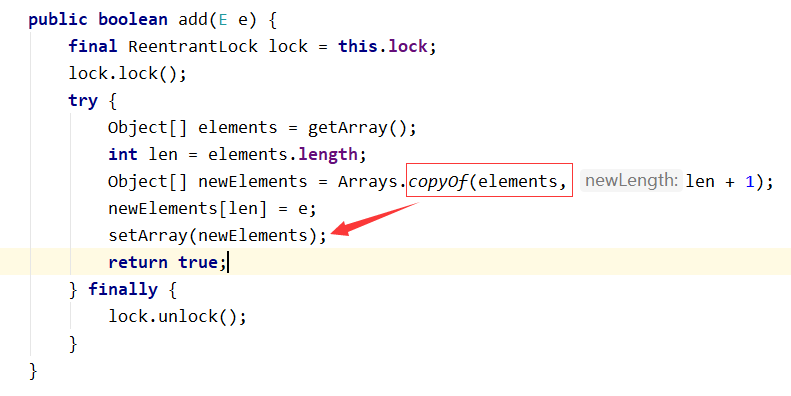
集合不安全问题 集合类不安全List不安全package com.sw.unsafe; import java.util.*; import java.util.concurrent.CopyOnWriteArrayList; /** * @Author suaxi * @Date 2021/1/4 17:12 * java.util.ConcurrentModificationException 并发修改异常 */ public class ListTest { public static void main(String[] args) { /* 并发情况下ArrayList不安全 解决方案: 1、List<String> list = new Vector<>(); 2、List<String> list = Collections.synchronizedList(new ArrayList<>()); 3、List<String> list = new CopyOnWriteArrayList<>(); CopyOnWrite 写入时复制(是一种优化策略) 多个线程调用的时候可能存在写入覆盖问题,读取没问题 CopyOnWrite在写入的时候复制一份给调用者,调用者写入新的数据完成之 后再把之前复制的数据放回原来的位置,保证线程的安全,以此避免了写入覆盖问题 相较于Vector,它没有采用synchronized锁,而是采用Lock锁,效率更高 */ List<String> list = new CopyOnWriteArrayList<>(); for (int i = 0; i < 100; i++) { new Thread(() ->{ list.add(UUID.randomUUID().toString().substring(0,5)); System.out.println(list); },String.valueOf(i)).start(); } } } Set不安全package com.sw.unsafe; import java.util.*; import java.util.concurrent.CopyOnWriteArraySet; /** * @Author suaxi * @Date 2021/1/4 22:08 * java.util.ConcurrentModificationException 并发修改异常 * 解决方法: * 1、Set<String> set = Collections.synchronizedSet(new HashSet<>()); * 2、Set<String> set = new CopyOnWriteArraySet<>(); */ public class SetTest { public static void main(String[] args) { Set<String> set = new CopyOnWriteArraySet<>(); for (int i = 0; i < 30; i++) { new Thread(() ->{ set.add(UUID.randomUUID().toString().substring(0,5)); System.out.println(set); },String.valueOf(i)).start(); } } } hashSet底层是什么?public HashSet(){ map = new HashMap<>(); } //源码 //set add的本质就是map public boolean add(E e) { return map.put(e, PRESENT)==null; } //PRESENT是静态终类 private static final Object PRESENT = new Object();Map不安全package com.sw.unsafe; import java.util.HashMap; import java.util.Map; import java.util.UUID; import java.util.concurrent.ConcurrentHashMap; /** * @Author suaxi * @Date 2021/1/4 22:26 * java.util.ConcurrentModificationException * 解决方法: * Map<String, String> map = new ConcurrentHashMap<>(); */ public class MapTest { public static void main(String[] args) { //默认等价于? new HashMap<>(16,0.75); Map<String, String> map = new ConcurrentHashMap<>(); for (int i = 0; i < 30; i++) { new Thread(() ->{ map.put(Thread.currentThread().getName(),UUID.randomUUID().toString().substring(0,5)); System.out.println(map); },String.valueOf(i)).start(); } } }
-
8锁问题 8锁问题什么是锁?锁的对象是谁?package com.sw.lock8; import java.util.concurrent.TimeUnit; /** * @Author suaxi * @Date 2021/1/4 15:44 * 1、执行顺序:发短信 打电话 * 2、增加睡眠时间后,执行顺序:发短信 打电话 */ public class Test1 { public static void main(String[] args) { Phone1 phone1 = new Phone1(); new Thread(() ->{ phone1.sms(); },"A").start(); try { TimeUnit.SECONDS.sleep(1); } catch (InterruptedException e) { e.printStackTrace(); } new Thread(() ->{ phone1.call(); },"B").start(); } } class Phone1{ //synchronized锁的对象是方法的调用者 //两个方法用的是同一个锁,谁先拿到锁,谁先调用 public synchronized void sms(){ try { TimeUnit.SECONDS.sleep(3); } catch (InterruptedException e) { e.printStackTrace(); } System.out.println("发短信"); } public synchronized void call(){ System.out.println("打电话"); } }package com.sw.lock8; import java.util.concurrent.TimeUnit; /** * @Author suaxi * @Date 2021/1/4 15:51 * 3、增加一个hello的普通方法后,执行顺序为 hello 发短信 * 4、两个对象、两个同步方式,执行顺序为 打电话 发短信 */ public class Test2 { public static void main(String[] args) { //两个对象、两个调用者、两把锁 Phone2 phone1 = new Phone2(); Phone2 phone2 = new Phone2(); new Thread(() ->{ phone1.sms(); },"A").start(); try { TimeUnit.SECONDS.sleep(1); } catch (InterruptedException e) { e.printStackTrace(); } new Thread(() ->{ phone2.call(); },"B").start(); } } class Phone2{ //synchronized锁的对象是方法的调用者 public synchronized void sms(){ try { TimeUnit.SECONDS.sleep(3); } catch (InterruptedException e) { e.printStackTrace(); } System.out.println("发短信"); } public synchronized void call(){ System.out.println("打电话"); } //普通方法不受锁的限制 public void hello(){ System.out.println("hello"); } }package com.sw.lock8; import java.util.concurrent.TimeUnit; /** * @Author suaxi * @Date 2021/1/4 15:58 * 5、增加static后,执行顺序为 发短信 打电话 * 6、两个Phone对象,执行顺序依然为为 发短信 打电话 */ public class Test3 { public static void main(String[] args) { //两个对象的Class类模板只有一个,与问题5一样锁的也是Class Phone3 phone = new Phone3(); Phone3 phone1 = new Phone3(); new Thread(() ->{ phone.sms(); },"A").start(); try { TimeUnit.SECONDS.sleep(1); } catch (InterruptedException e) { e.printStackTrace(); } new Thread(() ->{ phone1.call(); },"B").start(); } } class Phone3{ //synchronized锁的对象是方法的调用者 //static静态方法,类一加载就有了,此处锁的是Class对象 public static synchronized void sms(){ try { TimeUnit.SECONDS.sleep(3); } catch (InterruptedException e) { e.printStackTrace(); } System.out.println("发短信"); } public static synchronized void call(){ System.out.println("打电话"); } }package com.sw.lock8; import java.util.concurrent.TimeUnit; /** * @Author suaxi * @Date 2021/1/4 16:05 * 7、1个静态同步方法,1个普通同步方法,一个对象,执行顺序 打电话 发短信 * 8、1个静态同步方法,1个普通同步方法,两个对象,执行顺序 打电话 发短信 */ public class Test4 { public static void main(String[] args) { //两个对象的Class类模板只有一个,与问题5一样锁的也是Class Phone4 phone1 = new Phone4(); Phone4 phone2 = new Phone4(); new Thread(() ->{ phone1.sms(); },"A").start(); try { TimeUnit.SECONDS.sleep(1); } catch (InterruptedException e) { e.printStackTrace(); } new Thread(() ->{ phone2.call(); },"B").start(); } } class Phone4{ //静态同步方法 锁的是Class类模板 public static synchronized void sms(){ try { TimeUnit.SECONDS.sleep(3); } catch (InterruptedException e) { e.printStackTrace(); } System.out.println("发短信"); } //普通同步方法 锁的是调用者,不需要再等待发短信的sleep睡眠时间,两个方法用的不是同一个锁 public synchronized void call(){ System.out.println("打电话"); } }小结一个对象,拿的是同一把锁两个对象拿的是不同的锁加了static静态方法之后,不论有几个对象,锁的只有一个Class模板普通方法不受锁的限制
-
生产者和消费者问题 生产者和消费者问题package com.sw.pc; /** * @Author suaxi * @Date 2021/1/4 14:25 */ public class A { public static void main(String[] args) { Data data = new Data(); new Thread(() ->{ for (int i = 0; i < 10; i++) { try { data.incr(); } catch (InterruptedException e) { e.printStackTrace(); } } },"A").start(); new Thread(() ->{ for (int i = 0; i < 10; i++) { try { data.decr(); } catch (InterruptedException e) { e.printStackTrace(); } } },"B").start(); } } class Data{ private int num = 0; //+1 public synchronized void incr() throws InterruptedException { if (num!=0){ //等待 this.wait(); } num++; System.out.println(Thread.currentThread().getName()+"===>"+num); //通知 this.notifyAll(); } //-1 public synchronized void decr() throws InterruptedException { if (num==0){ //等待 this.wait(); } num--; System.out.println(Thread.currentThread().getName()+"===>"+num); //通知 this.notifyAll(); } } 当增加多个线程时(A,B,C,D),会出现虚假唤醒的问题虚假唤醒:线程可以被唤醒,但不会被通知、中断或超时解决方法:将if判断换为whilepackage com.sw.pc; /** * @Author suaxi * @Date 2021/1/4 14:25 */ public class A { public static void main(String[] args) { Data data = new Data(); new Thread(() ->{ for (int i = 0; i < 10; i++) { try { data.incr(); } catch (InterruptedException e) { e.printStackTrace(); } } },"A").start(); new Thread(() ->{ for (int i = 0; i < 10; i++) { try { data.decr(); } catch (InterruptedException e) { e.printStackTrace(); } } },"B").start(); new Thread(() ->{ for (int i = 0; i < 10; i++) { try { data.incr(); } catch (InterruptedException e) { e.printStackTrace(); } } },"C").start(); new Thread(() ->{ for (int i = 0; i < 10; i++) { try { data.decr(); } catch (InterruptedException e) { e.printStackTrace(); } } },"D").start(); } } class Data{ private int num = 0; //+1 public synchronized void incr() throws InterruptedException { while (num!=0){ //等待 this.wait(); } num++; System.out.println(Thread.currentThread().getName()+"===>"+num); //通知 this.notifyAll(); } //-1 public synchronized void decr() throws InterruptedException { while (num==0){ //等待 this.wait(); } num--; System.out.println(Thread.currentThread().getName()+"===>"+num); //通知 this.notifyAll(); } } JUC版生产者消费者问题使用了Condition接口下的await()等待和signalAll()通知package com.sw.pc; import java.util.concurrent.locks.Condition; import java.util.concurrent.locks.Lock; import java.util.concurrent.locks.ReentrantLock; /** * @Author suaxi * @Date 2021/1/4 14:55 */ public class B { public static void main(String[] args) { Data1 data1 = new Data1(); new Thread(() ->{ for (int i = 0; i < 10; i++) { try { data1.incr(); } catch (InterruptedException e) { e.printStackTrace(); } } },"A").start(); new Thread(() ->{ for (int i = 0; i < 10; i++) { try { data1.decr(); } catch (InterruptedException e) { e.printStackTrace(); } } },"B").start(); new Thread(() ->{ for (int i = 0; i < 10; i++) { try { data1.incr(); } catch (InterruptedException e) { e.printStackTrace(); } } },"C").start(); new Thread(() ->{ for (int i = 0; i < 10; i++) { try { data1.decr(); } catch (InterruptedException e) { e.printStackTrace(); } } },"D").start(); } } class Data1{ private int num = 0; Lock lock = new ReentrantLock(); Condition condition = lock.newCondition(); //+1 public void incr() throws InterruptedException { try { lock.lock(); //加锁 while (num!=0){ //等待 condition.await(); } num++; System.out.println(Thread.currentThread().getName()+"===>"+num); //通知 condition.signalAll(); } catch (Exception e) { e.printStackTrace(); } finally { lock.unlock(); //解锁 } } //-1 public void decr() throws InterruptedException { try { lock.lock(); //加锁 while (num==0){ //等待 condition.await(); } num--; System.out.println(Thread.currentThread().getName()+"===>"+num); //通知 condition.signalAll(); } catch (Exception e) { e.printStackTrace(); } finally { lock.unlock(); //解锁 } } }Condition精准通知与线程唤醒可以看到之前的线程执行顺序是无序的。package com.sw.pc; import java.util.concurrent.locks.Condition; import java.util.concurrent.locks.Lock; import java.util.concurrent.locks.ReentrantLock; /** * @Author suaxi * @Date 2021/1/4 15:08 * Condition精准通知与线程唤醒 * ABC三个人互相打电话,A->B,B->C,C->A顺序执行 */ public class C { public static void main(String[] args) { Data2 data2 = new Data2(); new Thread(() ->{ for (int i = 0; i < 10; i++) { data2.CallA(); } },"A").start(); new Thread(() ->{ for (int i = 0; i < 10; i++) { data2.CallB(); } },"B").start(); new Thread(() ->{ for (int i = 0; i < 10; i++) { data2.CallC(); } },"C").start(); } } class Data2{ private int num = 1; // 1A 2B 3C private Lock lock = new ReentrantLock(); Condition condition1 = lock.newCondition(); Condition condition2 = lock.newCondition(); Condition condition3 = lock.newCondition(); public void CallA(){ try { lock.lock(); //加锁 while (num!=1){ //等待 condition1.await(); } num = 2; System.out.println(Thread.currentThread().getName()+"===>A打完了"); //通知 condition2.signal(); } catch (Exception e) { e.printStackTrace(); } finally { lock.unlock(); //解锁 } } public void CallB(){ try { lock.lock(); //加锁 while (num!=2){ //等待 condition2.await(); } num = 3; System.out.println(Thread.currentThread().getName()+"===>B打完了"); //通知 condition3.signal(); } catch (Exception e) { e.printStackTrace(); } finally { lock.unlock(); //解锁 } } public void CallC(){ try { lock.lock(); //加锁 while (num!=3){ //等待 condition3.await(); } num = 1; System.out.println(Thread.currentThread().getName()+"===>C打完了"); //通知 condition1.signal(); } catch (Exception e) { e.printStackTrace(); } finally { lock.unlock(); //解锁 } } } 通过不同的监视器监视线程来达到精准通知与线程唤醒的目的